

DISCLAIMER: Product images are for illustration purposes only. Actual product characteristics including but not limited to size and colour may vary due to variations in harvesting and seasonal availability.
Couldn't load pickup availability
- Free Canada-wide delivery for orders over $200!
Enter your Postal code for Delivery Availability
 Return Policy
Returns applicable within 3 days of receiving your package. See our Refund Policy for further details.

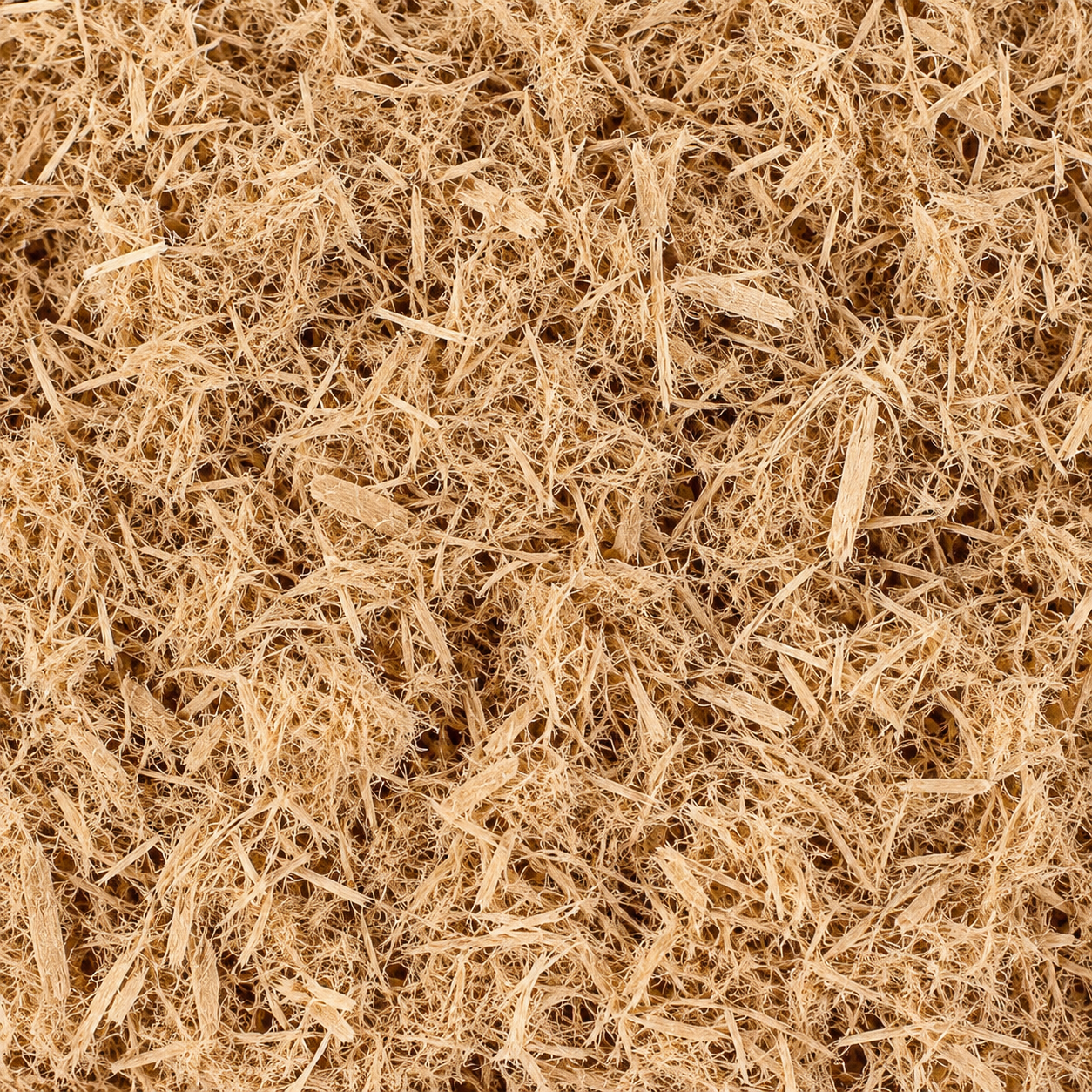
Botanical Name: Ulmus Rubra Muhl
Origin: United States
English Name: Slippery Elm Bark C/S
French Name: Écorce d’Orme Rouge Coupée
Also Known As: Cut and Sifted Slippery Elm, Red Elm Bark, Ulmus Bark
Part Used: Inner bark of Ulmus rubra Muhl.
Description: Slippery Elm Bark C/S is prepared from the inner bark of Ulmus rubra Muhl, a deciduous hardwood tree native to eastern and central North America. The tree commonly reaches heights of 12–20 metres and develops a broad, rounded canopy with rough, ridged outer bark. Its leaves are oval with pointed tips and finely serrated edges, displaying a deep green colour during the growing season before turning yellow in autumn. Small reddish-brown flowers appear in early spring prior to leaf emergence, followed by flat, circular seed pods. Harvesting focuses on mature trees to ensure the inner bark layers are fully formed and suitable for processing.
Once harvested, the bark is carefully separated from the outer layers and properly cleaned to remove dust and natural debris. Drying is done using controlled air or low-temperature methods to stabilise moisture while preserving the bark’s natural pale tan to light brown colour and fibrous texture. After drying, the inner bark is cut and sifted into uniform strips and fragments, maintaining its layered appearance and woody grain structure.
The finished Slippery Elm Bark C/S consists of lightweight, fibrous pieces with visible striations and consistent colouring. The cut and sifted format allows for easy handling, accurate measurement, and uniform blending while retaining the natural texture and botanical identity of the bark. Each piece reflects the characteristic inner layers of Ulmus rubra Muhl., offering a visually distinct and stable dried botanical material.
This product maintains structural integrity during storage, remaining free-flowing and easy to work with. The uniform cut supports consistency across batches and provides versatility for applications requiring identifiable bark fragments.
Uses: Slippery Elm Bark C/S is commonly used in tea-style infusions and herbal blends where visible bark pieces are preferred for gradual steeping and visual appeal. The cut bark is also suitable for cosmetic formulations, bath blends, botanical sachets, and craft projects. It is frequently used in educational botanical collections and decorative displays to illustrate tree bark morphology and natural fiber structure. The cut and sifted format allows for precise portioning, efficient blending with other botanicals, and flexible use in both home and professional settings.
Storage: Store in an airtight container in a cool, dark cabinet or pantry.
Safety & Disclaimer: Statements and products through out this site have not been evaluated by the Food and Drug Administration or Health Canada. These products are not intended to diagnose, treat, cure or prevent any disease or illness. Individual results may vary. Always seek the advice or consult your health care provider for your health concerns. If you are pregnant or have a medical condition please consult your health provider prior to use.
